
An invitation only casino doesn’t advertise itself on every corner of the internet, and that quiet approach is the first thing worth weighing if you are thinking about signing up from Australia. The model trades broad accessibility for a smaller, curated floor, which means the questions you ask before depositing look a bit different from the usual checklist. You still need to check payment flow, verification, and how support handles a stuck transaction, but the framing shifts because the club is selecting its members as much as you are selecting it. If you are used to comparing timing against notes on Perth gambling forums, where slow transfers get flagged fast, the same scrutiny applies here, only the entry point is tighter.
What the closed door actually changes for your money
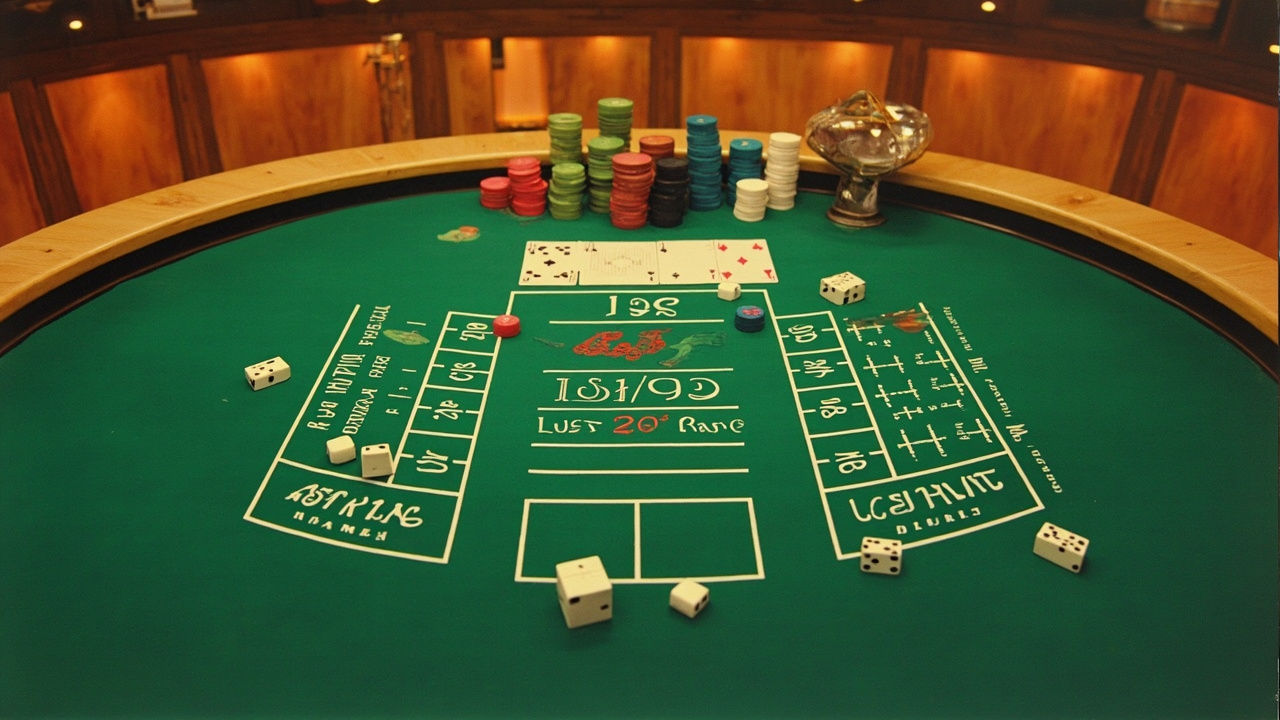
The first thing to settle is whether the membership gate changes how your money moves once you are inside. In practice, an invitation only casino usually keeps the cashier fairly conventional: card and wallet options, a single base currency, and a verification step that happens before the first withdrawal rather than after a big win. The difference is not some magic payout speed but the fact that the operator can be pickier about who opens an account, which sometimes means fewer abandoned accounts and a cleaner audit trail. That said, pickiness is not a substitute for a working payout path, and I have seen support teams in iGaming and Web3 treat a delayed withdrawal like a community incident before treating it like a finance ticket, which is usually the right call when the clock is ticking. If you are weighing whether the gate is worth it, ask what happens when a transfer stalls, not just what happens when everything goes smoothly. Star
Deposit and withdrawal flow matters more than the polish of the lobby, especially when regional internet can turn a quick session into a waiting game. A player north of the border might be used to a Darwin afternoon that starts with a slow connection and ends with a cashier screen that never quite settles, and that is the kind of reality a curated club still has to handle rather than ignore. The useful test is whether the cashier tells you what it knows, whether limits are visible before you commit, and whether verification asks for the right documents the first time. None of that is glamorous, but it is the difference between a club that feels exclusive and one that simply feels slow.
How the floor is built and what that means at the table
Once you are past the gate, the games and providers should tell you whether the club is curated for depth or for a narrow aesthetic. A smaller floor can be a good sign if the titles are chosen for maths and transparency rather than for a loud theme, and it can be a poor sign if the selection looks decorative. The useful comparison is not with a broad public site but with the way a community operation keeps a knowledge base tight and multilingual, because a curated casino ought to be able to answer the same kind of question without sending you in circles. I have built support flows across betting and Web3 where the goal was to shrink the gap between a player’s first confusion and a clear answer, and that same discipline matters here, only the subject is a slot or a table rule rather than a wallet sync.
The maths on the floor is where a lot of the real story sits, even when the lobby is dressed up to look otherwise. A flush is any five cards of the same suit, not in sequence, and that plain definition is the sort of thing a good club states without making you dig for it. The less pleasant detail is that some screens celebrate payouts smaller than the bet, which are losses disguised as wins, and those moments are worth noticing if you are trying to read a game honestly rather than just read a theme. Photo finishes were introduced to Australian racing in the 20th century to settle close results, and the same instinct applies here: when a result is close, you want the rule stated plainly rather than buried in a flourish.
When support and loyalty actually matter
Support is where a closed-door club can either justify its gate or quietly undercut it. A smaller member list can mean faster, more specific answers, but only if the team is staffed to handle real questions rather than scripted deflections. I have run community operations where AI-assisted service tools were useful for sorting routine queries in more than one language, and that same setup can help a casino answer a cashier question at short notice without turning the player into a ticket number. The catch is that a tool is only as good as the handoff behind it, which is why I tend to judge a club by how it behaves when the first answer is not the final one.
Loyalty on a smaller floor is usually less about a giant points ladder and more about whether the club remembers what you actually do. That can be a good thing if the rewards are tied to real play patterns and clear terms, and it can be a poor thing if the programme sounds generous until you read the pacing. The practical question is whether the club can explain a bonus mechanic without making it sound more complex than it is, and whether the support team can tell you where you stand without making you chase three different channels. If the answer to either of those is shaky, the exclusivity is not carrying its weight.
Reading the gate against the rest of the room
The last thing to weigh is whether the invitation model is actually doing work for you or just adding a step. A club that is selective can be a good fit if you value a smaller community, clearer communication, and a floor that is not trying to be everything at once, but selectivity is not the same as superiority. I have seen players treat a closed door as a seal of quality when it was really just a filter, and that is a mistake worth avoiding, especially when the same game maths and payment rules would apply on a wider floor. If you are comparing options, it helps to read the gate against the rest of the room rather than treating it as a verdict on its own.
For some players, a curated club makes sense because the pace is slower and the support is closer to the action, but the decision is still about your own habits and tolerance for a smaller selection. If you want a tighter floor and are willing to accept that a smaller club still has to prove its cashier, its rules, and its support, the model can be a reasonable fit. If you would rather compare timing against notes on all aboard slot machine online, where the range is broader and the crowd is bigger, then the closed door may be the wrong trade-off. The honest answer is that the gate is only useful if it changes the experience in a way you can actually feel.