
Let’s talk about something many UK Aviator players tend to do: searching for meaning in the game’s results. This isn’t about cracking a secret code or outsmarting the system. The game’s core is a Random Number Generator, making each round a fresh start. But players, notably those with a knack for analysis, often watch the flow of results and wonder if there’s something to learn. I see this as a way to add a layer of thoughtful engagement to your play. By paying attention to certain signs, you can make more deliberate choices about when to bet, when to cash out, and when to call it a day. This guide walks through a sensible approach to reading those signs, turning the raw data on your screen into a more controlled and enjoyable experience at flytakeair.com/aviator.
Grasping the Heart: RNG and Result Independence
Let’s start with the basics. We need to be crystal clear on one fixed point: the Aviator game runs on a approved Random Number Generator (RNG). Every UK player needs to burn this fact into their memory. What does it mean? Every flight, every climb of the multiplier until it crashes, is its own independent event. The result from one round has no bearing on the next. Imagine flipping a coin. Landing on heads ten consecutive times won’t make tails more likely on the eleventh flip. The odds stay 50/50 every single time. So, when I talk about ’signs‘ or ‚patterns‘, I am absolutely not talking about predicting the next number. I’m talking about how we, as humans, naturally try to find order in randomness. We can use the history we see to shape our own actions and tactics, not to forecast what the game will do next. Getting this distinction right is the foundation of playing responsibly. It steers you away from chasing losses because you believe a big win is ‚due‘, and towards managing your money based on the strict rules of probability.
The science behind pattern recognition during gameplay
Our brains are wired to spot patterns. That’s how we’ve survived. When you play Aviator Game Bonus Shop and watching the list of recent results, this instinct kicks in. You see two low multipliers back-to-back and think, „A high one must be next.“ You notice a few crashes before the 2.0x mark and assume it to happen again. Let’s be blunt: this is a cognitive trap, known as the gambler’s fallacy. The game does not remember what just happened. But realizing your own mind is prone to this trick is a powerful tool in itself. When I catch myself thinking this way, I view it as a signal to stop and reset. The most important pattern isn’t in the numbers on screen; it’s in your own reactions. Are you getting fidgety after a quiet period? Starting to believe you’ve figured out the algorithm? These are the real warning signs that your judgement might be slipping. Learning to read these internal signals is infinitely more valuable for your enjoyment and control than trying to guess the RNG’s next move.
Examining the Game History: What Data Can Reveal You
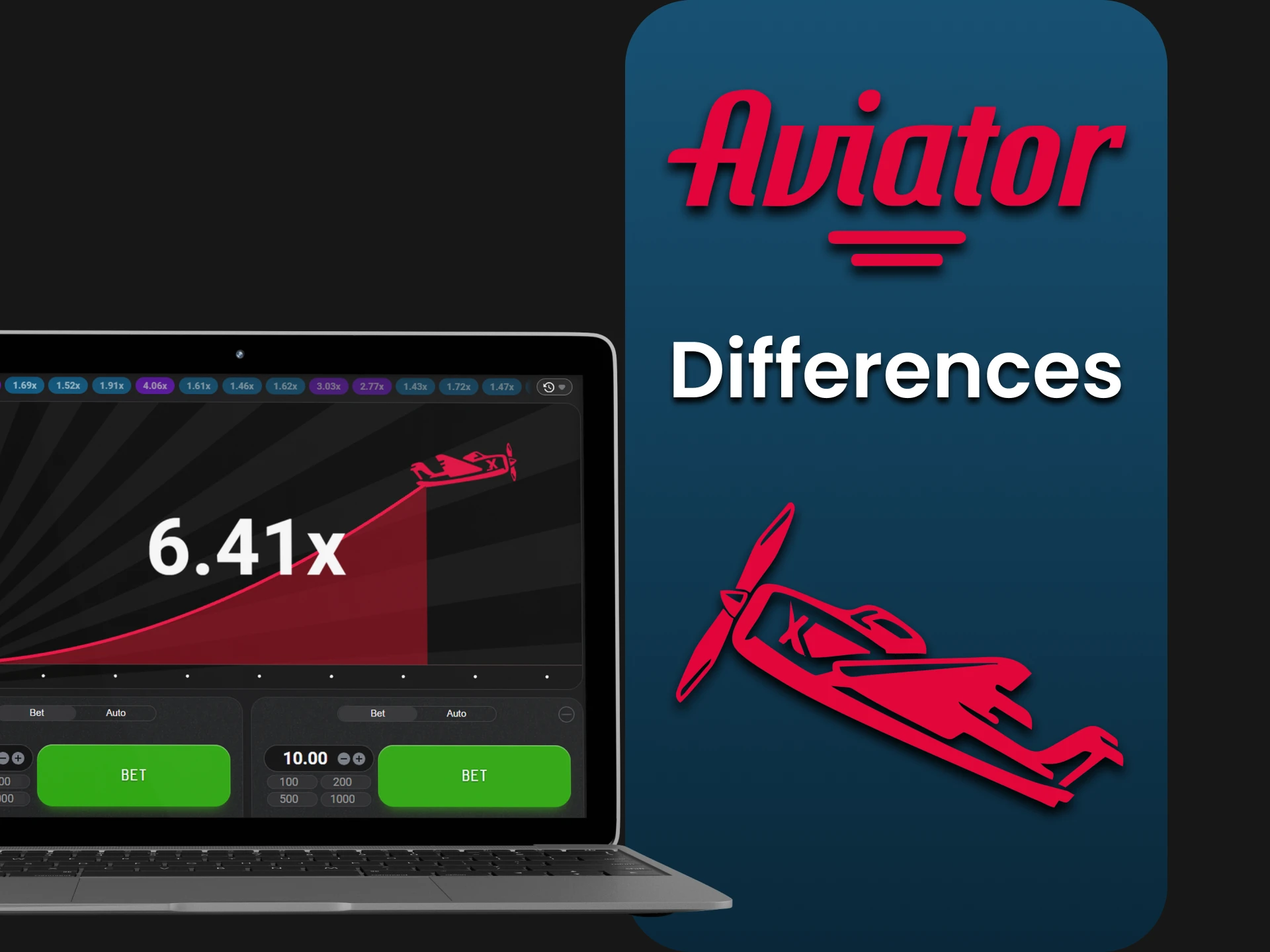
Even though rounds are separate, looking at the game history offers you a broad picture of the session’s ‚weather‘. I often review the recent crash points. Is this session full of quick, low multipliers—a bunch beneath 1.5x? Or have I seen several rocketship flights past 10x? This past data doesn’t tell me what’s ahead, but it paints a picture of the current environment. A long period of low multipliers might signal a period of frequent, lower-risk rounds. On the other hand, a group of high multipliers in quick succession could signal a stormy, volatile stage. I utilize this intel to modify my bet size and auto-cashout settings. In a calm, low-volatility phase, I might place smaller bets more often, with conservative cashout targets. When things appear volatile, I might be pickier about when I bet, but I could set a slightly higher auto-cashout, knowing the potential is there. It’s about adapting your approach to the flow, not acting you can beat the randomness of each individual result.
Crucial Markers to Monitor During Your Session
From my own play, I’ve noted a few useful signs that act as valuable check-ins. Reading these accurately helps you maintain your discipline. First, watch how often you’re betting relative to the game’s speed. Are you putting a bet on every single round out of pure habit? That’s a sign you should create a schedule—maybe bet every other round, or only after a full minute has passed. Second, look at how your auto-cashout points line up with the actual results. If you keep cashing out at 1.5x but see multipliers regularly exceed 3x, it might be a sign to nudge your target up for a few rounds. The opposite is also true. Third, and most critical, keep an eye on your bankroll compared to where you started. A steady drop is the clearest signal that your current plan isn’t working and requires a change or a break. A healthy rise is a sign to think about setting some of those profits away. These are real-time, practical signs based on what you’re doing and what the game is showing.
- Betting Frequency: Betting on every round is often a sign of habit. Force yourself to enjoy breaks between bets.
- Auto-Cashout Alignment: If your cashout point is always far below where the plane commonly crashes, it might be too safe for your goals.
- Bankroll Trajectory: This is your main indicator. A falling balance means you need to pause and reconsider your strategy right away.
- Emotional State: Feeling frustrated, overjoyed, or like you can’t lose are all signs to step back for five minutes.
Creating a Individual Approach from Detected Patterns
How do you convert these insights into a custom playbook? I start every session by fixing my limits for deficits, wins, and time. Then I employ the first few rounds to ‚read the room‘. I’m not wagering big here; I’m just monitoring to assess the volatility, like I stated. From that, I build a adaptable plan. My standard approach might be a 2.0x auto-cashout. But if I see a sequence of very low multipliers, I might view that as a signal to reduce my objective to 1.8x for the next few bets, intending to accumulate profit more often in that scenario. Or, after a series of quick crashes, I might not regard it as a indication a big one is coming. Instead, I consider it as a signal to put a smaller bet on the next couple of rounds with a higher target, consciously taking on more risk. The plan is built on rules that can change, not on luck or superstition. I note down my non-negotiable principles (like my stop-loss) and my adjustable rules (like what triggers a cashout change) before I begin. This aids me understand the game’s flow without my emotions getting in the way.
Frequent Misconceptions and Traps to Steer Clear Of
I need to point out the most critical errors players make. The largest trap is viewing any type of ’streak‘ as a guarantee. A series of five low multipliers is not a indication the game owes you a high one. It’s just a random cluster. Betting more recklessly because a high multiplier ‚has to‘ come next is a shortcut to blowing your money. In the same manner, thinking a previous high multiplier means the game is now ‚hot‘ and will produce more is just as incorrect. Another major trap is misinterpreting your own achievements. A winning streak built on sensible play is not proof you’re unbeatable or that you’ve found a magic strategy. It’s just variance working in your favor for a while. The moment you start believing you’ve outsmarted the RNG, you’re in the most risk. Always come back to the core truth: every outcome is unrelated. Any clue that seems to break this principle is almost certainly you spotting patterns in random data.
The Role of Betting Limits as the Definitive Sign
The most significant signs in your whole Aviator experience are the limits you set before you even log in. I can’t stress this enough. Your pre-decided loss limit, win goal, and session time aren’t just suggestions. They are the ultimate signs that tell you when to quit. Reading the game’s results is helpful for making tactical choices *during* a session, but your limits are the strategic signs that control the session itself. When your balance hits your loss limit, that’s an undeniable sign to cash out and walk away, no matter what pattern you think you see. When you reach your win goal, that’s a clear sign to take the money and either end the session or start over with a fresh bankroll. Treat these limits like law. In my own play, if I ever catch myself thinking, „Just five more minutes,“ or „One more bet to get back,“ I view that as the biggest red flag there is. It means I need to stop playing immediately, no questions asked.
Resources and Tools to Help Your Interpretation
The good news is, the Aviator game itself provides you with features for a practical approach. The most evident one is the detailed game history. I employ it to review the last 10-20 rounds and judge the volatility. Also, the auto-cashout feature is not merely a convenience. It’s a self-control tool. By setting it based on your pre-session plan, you remove an impulsive, split-second decision out of the moment when the plane is climbing. I also recommend using a simple notepad or employing a notes app on your phone. Jot down your beginning bankroll, your limits, and a few quick observations. Something like: „Started 8 PM. Volatility looked high early on. Moved target from 2x to 2.5x for three bets. Got one win at 2.3x.“ This creates a record you can look back on. It allows you to identify which strategies actually worked for you over time, apart from all the random noise.
- Game History Panel: Employ this to check recent volatility, not to locate winning sequences. Examine the spread of crash points over the last 20 rounds.
- Auto-Cashout Function: Configure this based on your strategy before the round launches. It instills discipline and stops panic moves.
- Personal Log: Keep a basic session diary. Record your limits, what you observed while playing, and how you finished. This log is your top option for honing your strategy long-term.
- Session Timer: Use a clock or timer separate from the game. A time limit is a non-negotiable sign to quit. It stops you from playing until you’re tired and having bad calls.
Building a Controlled Mentality for Long-Term Enjoyment
In the final analysis, interpreting signals in Aviator is truly about developing a structured, attentive approach. For me, that is the whole point. It transforms the game from a blind expectation for fortune into an engaging practice in managing probability and self-control. Every session becomes practice in tracking metrics, interpreting it within the strict confines of uncertainty, and executing steady, pre-planned adjustments. The signs you learn to appreciate most will change. They shift from surface-level clues („The last three were low!“) to inner milestones („My funds is down 15%, point to switch to my conservative betting approach.“). This mindset maintains the game entertaining, controlled, and something you can revisit. You’ll notice you relish the ascent of the multiplier more when you realize a distinct approach is guiding your actions. The failures feel less severe because they become part of the strategy. That awareness of educated, accountable play? That is the best sign you can hope for.