

Casino sector guidance
Firstly, much of the available data on children being able to access age restricted forms of gambling comes from their own self-reporting which may be unreliable. However, evidence suggests that some children are still able to participate in gambling which they should be barred from. It should create a clear distinction between gambling products for adults and lower risk products for children which have non-cash prizes or (like a penny pusher) are entirely unlike an adult gambling product. Although we will consult further on the details of our proposal above, slot machines in FECs which are legally adult-only (Category C machines) are required to be in a segregated part of the venue to prevent children accessing those machines. Category D machines which do not pay out cash will not be subject to the increase in the minimum age to play. We welcome Bacta’s voluntary commitment, but to ensure all operators comply with it, we propose to move that requirement into legislation, making the legal minimum age to play cash-out Category D slot machine style games 18 years old.
Amending the regulations so that Small 2005 Act casinos only need a minimum table gaming area of 250sqm, reduced from 500sqm. Maximum gambling area for 1968 Act casinos will be decided following responses to the consultation. To be allowed 80 machines, its non-gambling area would have to be at least 250sqm. For example, a casino could have a gambling area of 500sqm, a table gaming area of 250sqm and a non-gambling area of 230sqm. However, 2005 Act casinos are currently allowed to offer betting and we are not aware of any issues that this has created. We intend on keeping the same requirements for calculating non-gambling areas for both 2005 Act and 1968 Act casinos.
For higher-risk play, it means the system is increasingly designed to slow things down, ask more questions, and intervene earlier. Fairness and compliance still come back to licensing—because a regulated operator is the one that can be held accountable for game integrity, complaints handling, and consumer protection. Age and identity checks are still a standard part of UK online play, and they aren’t optional if you’re using a properly licensed operator. Most players won’t see the levy directly on-screen, but you will see the ripple effects through a stronger emphasis on safer gambling messaging and more formal funding routes for national support services. The levy commenced in April 2025, with operators required to pay into it by October each year. The reform era isn’t just about gameplay it’s also about how gambling brands talk to you.
The Gaming Act 1968 restricted casinos to “permitted areas” based on population density and seaside resorts. This spend information is not currently provided to operators, but customers can use a range of safer gambling interventions on the apps themselves. In general, there is an element of staff supervision and intervention in land-based venues which can help to identify and support people suffering gambling harms. This appears to be driven by a return to in person gambling activities, particularly lotteries, fruit and slot machines, horse racing and bingo. Licensing authorities have a wide range of powers under the 2005 Act to refuse or place conditions on applications for gambling premises licences where there is cause for concern, and we fully support use of these powers.
With increased resources in due course, the Commission plans to invest in its data systems in order to better understand consumer behaviour and operator compliance. It is supported by existing powers in the Gambling Act for the Commission to make data requests as part of its regulatory activities. It has indicated, including in a speech by its Chief Executive to the GambleAware conference in 2021, that repeated failings are an aggravating factor and tougher action will be taken against repeat offenders.
Some lotteries including large society lotteries and licensing authority lotteries are licensed by the Gambling Commission, while small society lotteries must register with a licensing authority. Some respondents pointed to the relatively high test purchasing scores for licensed gambling premises compared to those for the sale of other age-restricted products. There was limited evidence to suggest these measures would materially improve on the current rules, which allow operators to verify age and identity via background checks that are effective in the vast majority of cases and are minimally disruptive to the customer. Bacta argued that further restrictions on children’s access to Category D machines was unnecessary, drawing attention to its voluntarily imposed 18+ age limit for playing Category D cash payout slot machines and measures in its charter that limit access and appeal to children. Evidence came from a wide range of respondents including industry, charities, researchers, campaign groups, Parliamentarians and local authorities. One of the few longitudinal studies of gambling behaviours in the UK found that patterns of problem/moderate risk gambling can often be established by 20 years of age.
The government will increase the maximum cap that licensing authorities can charge by 15% through a made negative statutory instrument. Premises licence fees in Scotland are set under different regulations and are therefore a matter of consideration for the Scottish Government. This change will be made in respect of licensing authorities in England and Wales. The second concern was the lack of transparency regarding the way in which fees are used by local authorities and a perception that local authority activities, such as premises visits, do not appear to be reflected by the level of fees currently paid. A key stated benefit was the ability to undertake more proactive engagement and enforcement activities with licensed premises. Licensing authorities highlighted numerous benefits which would be achieved by increasing the maximum chargeable premises fees by 30%.
Industry submissions put forward a range of proposals for changes to the rules that could allow the sector to develop and thus support the Review’s objective of ensuring the regulatory landscape for land-based gambling reflected changes since 2005. The Act embedded a principle that gambling should generally take place in gambling-specific premises as opposed to places where it would be incidental to the establishment’s primary purpose, such as cafes or taxi offices. The fees must be set on a cost recovery basis to cover the cost of administration and enforcement (e.g. inspections), and are therefore essential to ensure that licensing authorities can properly regulate gambling in their areas. Scottish Ministers also have the power to set application and annual fees for premises licences, which differ from the fees set out for England and Wales, set out in the Gambling (Premises Licence Fees) (Scotland) Regulations 2007.
Figure 23: Summary of proposed changes to Casino Licences (in bold)
All stakeholders recognise the potential for a so-called single customer view (SCV) to tackle this risk. Customers’ ability to swap to another account risks undermining the effectiveness of an individual operator’s safeguarding interventions. Likely impacts are explored in more detail in Annex A of this white paper, and the Commission will give further consideration to impacts, including the potential for any unintended consequences, through its detailed consultation. The Data Protection and Digital Information (No .2) Bill, currently before Parliament, includes some important clarifications to the rules around lawful processing and the circumstances in which personal data collected for one purpose can be used for other purposes, which should make the law clearer in this area. We will also make sure consumers’ financial lives are not impacted through these checks, with credit scores being unaffected and potentially adverse consequences of reciprocal data sharing avoided. We recognise these proposals have significant implications for collection and handling of sensitive consumer data, raising important questions around privacy, data protection, proportionality, data accuracy, and reciprocal data sharing.
The Commission has prioritised enforcement in recent years, particularly around unlicensed operators and consumer protection. The Commission plays an important role in protecting consumers and ensuring gambling is conducted fairly and safely.” Young said she is looking forward to working in the gambling sector and supporting the Commission’s consumer protection role. For players, they signal stronger consumer protections and continued regulatory oversight of the industry.

The Gambling Commission’s annual Young People and Gambling survey found that the past week gambling participation trend for 11 to 16-year-olds had decreased from 23% in 2011 to 7% in 2022 (Figure 17). In 2020, gambling was included in the Department for Education’s relationships and sex education (RSE) and health education statutory guidance for England. In December 2020, following a consultation, the government announced that the minimum age to play National Lottery products (including draws, instant win games and scratchcards) would be increased to 18 years old from October 2021. Football pools and society lotteries have a statutory minimum age for play of 16 years, but some operators voluntarily apply a higher age limit of 18 years. Currently most licensed gambling activities and products are restricted to 18 and over, and it is an offence under the 2005 Act to offer gambling products which are intended only for adults to children. However, children remain a vulnerable group, and even young adults (18 to 24-year-olds) who are legally permitted to gamble may still be particularly susceptible to harm.
Casino games
Please provide any evidence you have on the potential harm of implementing Options 1, 2 and 3 on customers. If available, please provide evidence of the potential impact of Options 1, 2 and 3 on the GGY of operators and on the wider gambling sector. A healthier land-based gambling sector, able to compete on a more even basis with similar online gambling opportunities, is likely to support local employment opportunities, regeneration effects and contribute to business rates. We do not currently have sufficient data to estimate the likely uptake of additional Category B machines under each option, nor on how the average GGY per machine will change as a result. In the financial year to 2022, the average GGY per Category B machine (across all licenced land-based venues) was £30,360, compared to £2,030 per Category C machine and £1,350 per Category D machine. Category B machines are significantly more profitable for operators earning considerably higher GGY than Category C and D alternatives.
Some land-based operators proposed that players in venues other than casinos should be able to choose to allocate a small proportion of their stake towards an additional prize pot. A number of proposals from the land-based industry related to concepts of new machine games and categories of gaming machine which do not currently fit into existing regulations or current technical standards. In response to this, we received a number of proposals for changes to rules surrounding gaming machines in venues. We agree that operators should maintain a range of payment options, including cash, to allow for customer choice and ensure that gambling harm is kept to a minimum.
We also received evidence from charities that people facing challenges like social isolation or cognitive dysfunction (such as following a brain injury) could be particularly attracted to remote gambling opportunities and fail to understand or properly assess the risks. This would prevent slots play where there is an elevated risk of rapid losses and/or harm, while leaving the majority of customers who play at low stakes unaffected. This creates compliance risks and potential harms for those experiencing problem gambling and affected others. Individual operators can take steps to prevent harm on their own platform, but people suffering gambling harms often hold multiple accounts. The Gambling Commission will consult on new obligations on operators to conduct checks to understand if a customer’s gambling is likely to be harmful in the context of their financial circumstances.
A common theme in these responses was the need for a ‘precautionary’ approach to the regulation of advertising, arguing that the absence of evidence of harm must not be treated as evidence of an absence of harm. The differences in regulation for gambling advertising in broadcast and online channels are particularly noteworthy. Although the IGRG code is an industry code, compliance with it can be considered alongside compliance with the Gambling Commission’s own rules when the regulator is assessing an operator’s suitability to hold a licence. The code bans most broadcast gambling advertising before 9pm, with the exception of bingo and lotteries, and sports betting advertising in the build up to and after (but not during) a live sporting event. Additionally, the trade bodies representing the gambling industry have developed the Industry Code for Socially Responsible Advertising (‘IGRG Code’), which was last updated in October 2020. The Gambling Commission also sets some specific rules on how gambling operators advertise through its Licence Conditions and Codes of Practice.
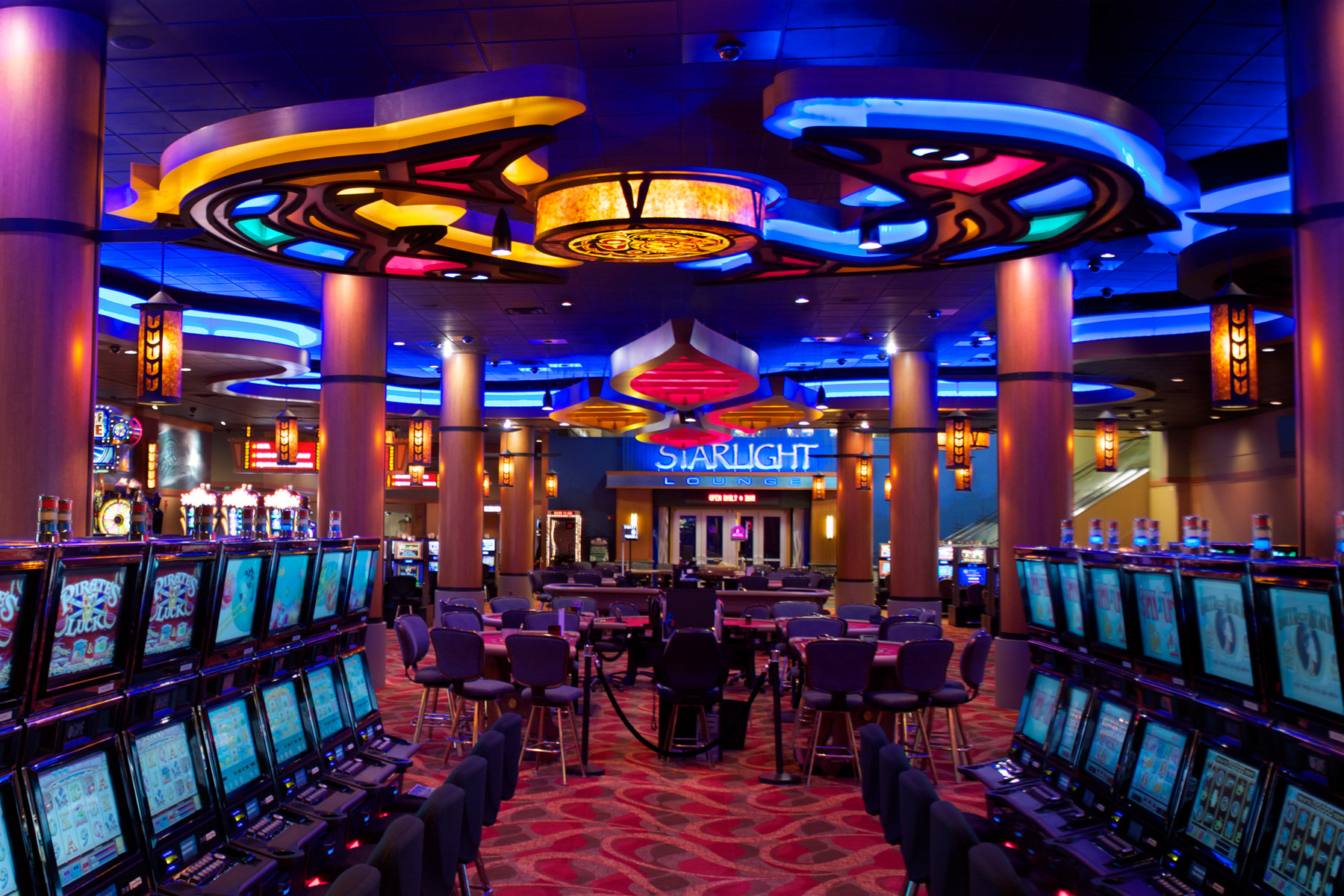
The Gambling Act 2005 defines a casino as an arrangement whereby people are given an opportunity to participate in one or more casino games. The white paper set out the government’s plans for modernising the regulation of the gambling sector.
- As well as a fixed numerical maximum, the number of gaming machines must not exceed a specified multiple of the number of gaming tables used in that casino.
- All UK licensed online casinos and sportsbooks are mandated to perform anti-money laundering checks, and mental and financial welfare checks on their customers.
- Good practice guidance and mandatory inclusion of safer gambling messages in broadcast ads are set out in the IGRG Code, and Betting and Gaming Council members are required to dedicate 20% of broadcast advertising to safer gambling adverts.
- Hence, the typical remote gambling business will require three types of British licence to lawfully offer remote gambling to British residents – an “operating” licence, a software “operating” licence and a suite of personal licences for its main personnel.
- It is also intended that more regulatory data, suitably anonymised, will be made available in due course to support independent research.
- The Gambling Commission will consult on setting higher standards for operators in obtaining all customers’ consent to direct marketing and promotional offers.
1 Licensees must have and put into effect procedures for self-exclusion and take all reasonable steps to refuse service or to otherwise prevent an individual who has non gamstop sites entered a self-exclusion agreement from participating in gambling. 6Additionally, some licensees will be subject to specific statutory requirements to retain relevant data, under the Money Laundering Regulations 2017 for example. However operators should be aware that the Gambling Commission cannot provide any definitive ruling on the interpretation of the GDPR, and the ICO will address any issues on a case by case basis.
Advertisers must instead promote responsible gambling and clearly state that all gambling involves risk. They apply to both direct advertising by gambling operators and affiliate marketing. The gambling and betting advertising rules are designed to ensure that ads are socially responsible. The ASA was established in 1962 by the advertising industry to adjudicate complaints based on the newly published British Code of Advertising Practice (the CAP Code). However, the Gambling (Licensing and Advertising) Act 2014 brought changes to the licensing regime for operators. Until 2014, when amendments to the Gambling Act were made, operators licensed in certain countries could advertise their services and provide gambling facilities in the UK without an additional license from the UKGC.

Currently, both types of slot-style machines can legally be played by under-18s. ‘Cash-out’ slot-style machines have a maximum stake of 10p and a maximum prize of £5, while ‘ticket-out’ slot-style machines have a maximum stake of 30p and an equivalent of a prize worth up to £8. There are two types of Category D slot-style machines, one that pays out a small amount of cash, and one that pays out tickets which can be exchanged for a small prize, toy or sweet. Category D machines are typically played by families and children and are usually found in seaside arcades, family entertainment centres (FECs) and unlicensed FECs.

This entitlement will not be restricted by any space requirements or whether the casino has decided to increase its number of gaming machines under the new regime. Moreover, this measure would bring greater consistency to the different licensing regimes and bring greater parity between the online and land-based casinos. We do not currently have sufficient data to estimate the likely uptake of additional machines by casinos. Finally player protections are in place in casinos to mitigate increased risks of gambling harms. We can also analyse average loss and session length data to consider the possible risks of gambling harm for those customers who increase their gambling participation as a result of these measures.
In addition to the written submissions sent to DCMS, we have considered a number of other sources of evidence. During the call for evidence period, we also noted a number of submissions from members of the public which came as part of coordinated campaigns on various specific issues. For example, 97.5% of respondents expressed their view that all gambling advertising should be banned, while 83.2% of the respondents said they would like to see the age limits for gambling increased above 18. Overall, the submissions from members of 38 Degrees demonstrated a generally negative view of gambling. Additionally, we note that these individual responses are far shorter and typically do not provide as much detailed evidence as the submissions sent directly to DCMS.
There is significant detail underneath this population problem gambling rate which the PHE review considered. There are some recent signs of a decrease in problem gambling rates, with the Gambling Commission’s quarterly surveys finding a steady fall over recent years to a low of 0.2% in the year to December 2022. Based on Health Survey data, we now estimate there to be approximately 300,000 people across Great Britain who meet the definition of being a ‘problem gambler’. Firstly, the best available evidence suggests that the large majority of people who gamble suffer no ill effects. Gambling harm is often a result of the interplay between individual susceptibility, environmental factors, the products themselves and operator actions.